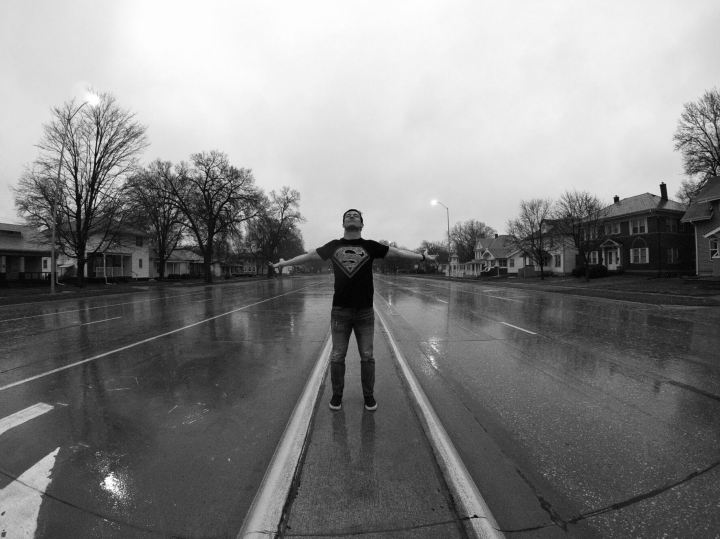
Cole Bird, MS2, Class of 2026
During college, I decided to teach myself how to play piano. It began with a timidly, with my eyes glued downward, trying to coordinate my hand eye movements. After a while, I began to get more confident, slowly walking through song after song. A milestone for my journey learning piano was the first time I got lost in the music, closing my eyes and trusting my hands would find the right keys.
Fast forward to an ordinary night at the JayDoc health clinic. It was the summer after my first year in medical school, and the familiarity of the ophthalmology clinic welcomed me once again. I eagerly anticipated the first patient of the night.
I walked down to the hall towards the waiting room. As Isla’s primary language is Spanish, I grabbed one of the interpreters before starting the visit. I called over Isla and introduced myself. Together, we walked down the halls until we reached the visual acuity chart, where I guided Isla through the examination. This was not my first rodeo, but Isla’s difficulty with the large letters hinted at a more complex story. We documented the results and proceeded to the exam room.
Running through the typical questions and exams, I sensed that Isla’s condition was more severe than those I had encountered before. Anticipating a quick fix for what seemed like cataracts, I dilated Isla’s pupils, informing her that it would take about 20 minutes for the medicine to take full effect. At that point, we would go across the hall and the ophthalmology resident would take a better look at her eyes. She smiled and said thank you. I left the room right behind the interpreter.
I began working on my post-encounter note. It’s easier for me to prepare my case presentation if I transcribe my chicken scratch into the EHR. Once the resident was ready, I presented Isla’s case. Since the 20 minutes had elapsed, we decided the best next step was the slit-lamp room. All the interpreters were occupied, so I dialed a language line on my phone. Isla smiled when I entered the room and joined me as we walked into the slit-lamp room. I handed her my phone so she could hear the interpreter the best. The resident began his exam. Typically, the residents call out elements of the exam so that I can note them down in the chart. This time he was very quiet. I assumed the words were just to complex for me to know how to spell (a common occurrence).
As the resident concluded the exam, he asked a series of weighted questions. I am no medical veteran, but I do know how to spot doctor talk – especially when it’s a doctor about to break bad news. The resident said he really wanted to attending physician to take a look at her eyes before giving a final diagnosis. I escorted Isla back to exam room and then had a debrief with the resident.
To spare the patients privacy, we will keep her diagnosis vague. But in simplest terms, her vision was terminal. It would not get better, and unfortunately, there was no operation or medication we could provide to improve her symptoms. I could tell that the resident had seen this presentation a few times, but it was still hard for him to state the treatment plan, or lack there of.
The attending saw Isla and confirmed the diagnosis. We had to relay everything through the virtual interpreter. And while the attending and resident had the utmost compassion, there is a level of empathetic sterility that happens when you communicate through a phone. Isla was justifiably shocked. I brought her back to the exam room to give her time to process. She was holding it together, but the moment she sat down in the room, she sobbed. The intense emotion compelled me to sit beside her. We just sat there. No interpreter. No words. Just an instinctual emotional experience that transcended language.
After what felt like an eternity, I contacted the interpreting service to address any lingering questions Isla might have. A brief conversation ensued, culminating in her request to leave. Ensuring she had the necessary information for the next steps, I escorted her out of the clinic.
Alone in a back stairwell, I concluded my notes with a growing pit in my stomach. The desire to contemplate this moment clashed with the reality of more patients awaiting my attention. I had to keep moving forward. The undeniable truth is, moving on seems both impossible and, more importantly, inappropriate. Isla’s impact resonates in every patient encounter. She wasn’t just a case; she was a reminder that we, physicians, have the power to transform routine moments into life-altering ones. She instilled in me the invaluable skill of slowing down and illuminated the humanity within the realm of medicine.
Now, as I lose myself in the melody of the piano, entrusting my instincts to guide me, I feel Isla’s presence. Eyes closed, instincts trusted. It’s a visceral reminder, a tribute to her enduring influence. Isla, may life grant you moments of profound immersion, where, despite your limited sight, self-trust, and peace envelop you.




 Med Intima